
 By Amelia James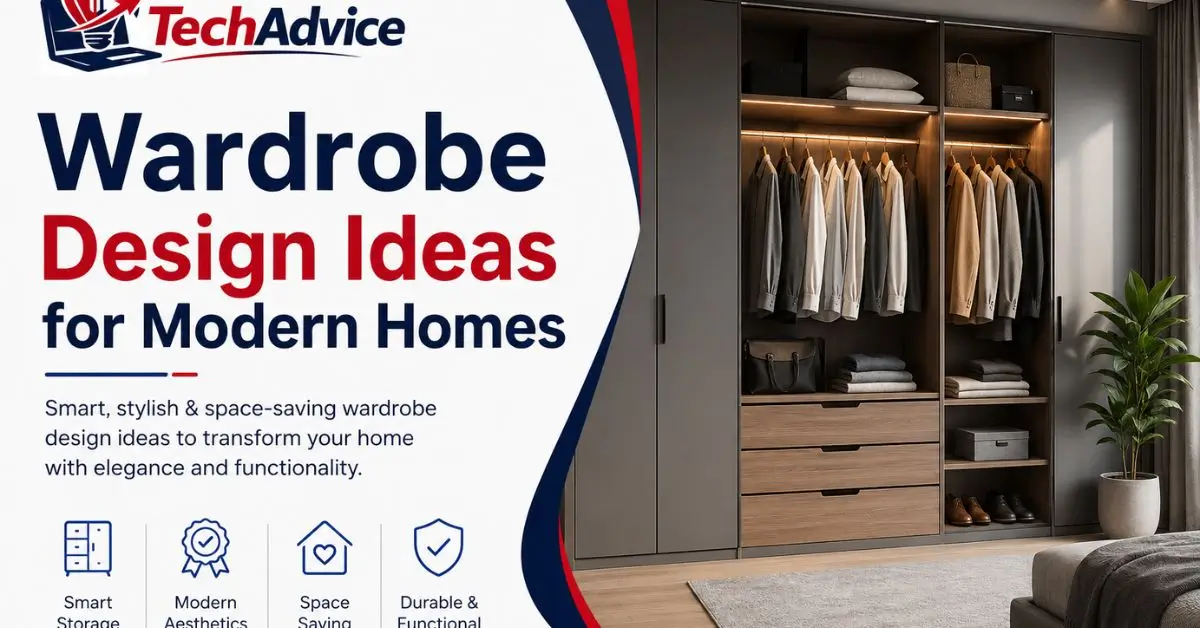
A well-planned bedroom feels clean, organized, and comfortable. One of the biggest factors behind that comfort is smart wardrobe design. Many homeowners focus only on beds, wall colors, or lighting, but storage planning is equally important.
Without proper wardrobe space, bedrooms quickly become messy. Clothes pile up, shoes remain scattered, and daily routines become frustrating. A poorly designed wardrobe may also waste valuable room space, especially in smaller homes or apartments.
At Teche Advice – Daily Tech Updates, we believe home improvement should combine style with practical living. This guide explains how wardrobe design improves organization, what types work best for modern homes, and how to choose layouts, materials, and storage features that actually make life easier.
Wardrobe design refers to the planning, structure, appearance, and storage arrangement of a wardrobe used for organizing clothes, accessories, shoes, and personal items. A good wardrobe combines functionality, storage efficiency, and interior style to improve bedroom organization and maximize available space in modern homes.
A wardrobe is not just a storage box anymore. Today, it plays a major role in both home organization and interior design.
- Wardrobe design improves bedroom organization and storage
- Modern wardrobes combine style with functionality
- Sliding, walk-in, and built-in wardrobes are popular choices
- Smart layouts help maximize space in smaller rooms
- Good lighting and storage planning improve usability
Many people underestimate how much storage affects daily life.
Imagine waking up in the morning and struggling to find clothes because everything is crowded or disorganized. This wastes time and creates stress before the day even starts.
A smart wardrobe setup solves these problems by creating:
- Better organization
- Easier access
- Cleaner rooms
- More storage efficiency
In modern homes, wardrobes are no longer just furniture pieces. They are part of the room’s overall functionality and appearance.
A well-designed wardrobe can even make a small bedroom feel larger and more organized.
Different homes require different storage solutions. The best choice depends on:
- Room size
- Budget
- Lifestyle
- Storage needs
- Interior style
Here are the most popular wardrobe options used in modern homes.
Sliding wardrobes are extremely popular because they save space.
Unlike traditional doors that swing outward, sliding doors move sideways along tracks.
This makes them ideal for:
- Small bedrooms
- Apartments
- Compact spaces
Another advantage is their modern appearance. Sliding wardrobes often create a cleaner and more minimal look.
Many homeowners in cities like New York or Toronto prefer sliding wardrobes because urban apartments usually have limited bedroom space.
- Space-saving
- Modern appearance
- Easy access
- Great for smaller rooms
- Track systems need maintenance
- Usually more expensive than basic wardrobes
Walk-in wardrobes are considered a luxury feature in many modern homes.
These wardrobes function almost like small dressing rooms with:
- Shelves
- Hanging areas
- Drawers
- Mirrors
- Lighting systems
They work best in larger homes where extra space is available.
A walk-in wardrobe improves organization because everything becomes easier to separate and access.
However, they require significant room space and higher budgets.
Built-in wardrobes are designed specifically for the room layout.
This means they fit perfectly into available wall space without leaving unused gaps.
Built-in solutions are excellent because they:
- Maximize storage
- Improve room appearance
- Increase home value
- Create a clean custom look
For example, many modern American homes use floor-to-ceiling built-in wardrobes to create extra storage without making rooms feel crowded.
Freestanding wardrobes are traditional standalone units.
They remain popular because they:
- Cost less
- Require no installation
- Can be moved easily
These wardrobes work well for renters or people who may move homes in the future.
The downside is that they usually offer less efficient space usage compared to custom-built options.
One of the biggest mistakes homeowners make is choosing a wardrobe based only on appearance.
Storage planning matters more than looks alone.
Before choosing a wardrobe, consider:
- How many people will use it
- Clothing quantity
- Shoe storage needs
- Seasonal items
- Accessory organization
For example, a couple sharing one wardrobe usually needs:
- Double hanging space
- Separate drawers
- Extra shelving
- Better internal organization
A single person living in a studio apartment may prefer a compact sliding wardrobe instead.
Good wardrobe design always starts with realistic storage planning.
The inside layout matters just as much as the exterior style.
A beautiful wardrobe becomes frustrating if the storage setup is poorly planned.
Modern wardrobes usually include:
| Storage Feature | Purpose |
| Hanging Rods | Store shirts, dresses, coats |
| Drawers | Organize smaller items |
| Shelves | Folded clothes and storage boxes |
| Shoe Sections | Better footwear organization |
| Overhead Storage | Seasonal or less-used items |
The right combination depends on individual lifestyle needs.
For example, someone with formal clothing may need more hanging space, while another person may prefer extra shelving.
Material quality affects:
- Durability
- Appearance
- Maintenance
- Long-term value
Here are some common wardrobe materials used in modern homes.
Solid wood wardrobes are durable and premium-looking.
They add warmth and elegance to bedrooms, especially in traditional or luxury interiors.
However, real wood is usually more expensive and heavier than engineered alternatives.
Engineered wood is widely used because it is:
- Affordable
- Stylish
- Easy to customize
Modern engineered wood products also come in many finishes, including:
- Matte textures
- Gloss surfaces
- Wood grain patterns
This makes them popular for contemporary homes.
Mirror wardrobes are excellent for smaller rooms because reflective surfaces make spaces appear larger.
Glass panels also create a sleek, modern appearance.
However, they require more cleaning because fingerprints become visible easily.
Lighting is often ignored during wardrobe planning.
Good lighting makes daily routines easier because users can:
- Find clothing quickly
- See colors clearly
- Improve overall visibility
Modern wardrobes now include:
- LED strip lighting
- Motion sensor lights
- Backlit shelves
These features improve both functionality and appearance.
For example, built-in LED lighting inside a wardrobe creates a more premium and organized feeling, especially in darker rooms.
Wardrobe color affects the overall atmosphere of a bedroom.
White, beige, and light gray wardrobes make rooms feel:
- Bigger
- Brighter
- Cleaner
These colors work well in smaller spaces.
Dark wood or black wardrobes create:
- Luxury appearance
- Strong visual contrast
- Modern sophistication
However, dark colors may make small rooms feel slightly tighter if the lighting is poor.
Small bedrooms require smarter organization.
Here are some practical storage ideas:
- Use sliding doors instead of swing doors
- Install floor-to-ceiling wardrobes
- Add overhead cabinets
- Use pull-out drawers
- Include hidden compartments
These solutions help maximize storage without overcrowding the room.
In many US apartments, vertical storage has become extremely important because floor space is limited.
Many homeowners regret wardrobe decisions because they focus only on appearance.
Here are common mistakes to avoid.
A wardrobe should match actual lifestyle requirements.
Looks alone are not enough.
Dark wardrobes become difficult to use, especially early in the morning or at night.
Many wardrobes stop far below the ceiling, leaving unused storage areas.
Floor-to-ceiling designs usually work better.
Some trendy wardrobes look beautiful but provide poor usability.
A practical layout is always more important than decoration alone.
Technology is now changing home improvement trends, too.
Modern wardrobes may include:
- Smart LED lighting
- Motion sensors
- Digital locks
- Charging stations
- Hidden compartments
These features improve convenience and create a more modern living experience.
At Teche Advice – Daily Tech Updates, we see increasing interest in smart home storage solutions because homeowners want both organization and convenience.
A well-organized wardrobe saves time every single day.
Instead of searching through clutter, users can:
- Find items quickly
- Keep rooms cleaner
- Reduce stress
- Maintain better routines
Home organization directly affects comfort and productivity.
This is why investing in smart wardrobe design often improves both functionality and lifestyle quality.
A smart wardrobe setup does much more than store clothes. It improves organization, saves time, enhances room appearance, and creates a more comfortable living environment.
The best wardrobe design balances style, storage efficiency, and practical daily use. Whether you choose a sliding wardrobe, walk-in closet, or built-in solution, proper planning makes a huge difference.
At Teche Advice – Daily Tech Updates, we believe home improvement should always focus on both beauty and functionality. A well-designed wardrobe is one of the most practical upgrades any homeowner can make.
If you enjoy practical home improvement ideas, continue exploring more guides and modern living tips on Teche Advice.
Sliding door wardrobes are usually best for small bedrooms because they save space and create a cleaner layout without requiring extra room for door movement.
Built-in wardrobes use space more efficiently and provide a custom appearance, while freestanding wardrobes are easier to move and usually cost less.
Solid wood is generally the most durable option, but high-quality engineered wood can also last many years with proper maintenance.
Good lighting improves visibility, helps users find clothes faster, and creates a more organized and premium appearance inside the wardrobe.
Yes. Mirror surfaces reflect light and create the visual illusion of more space, making smaller bedrooms appear larger and brighter.
Using vertical shelving, pull-out drawers, hanging organizers, and floor-to-ceiling layouts helps increase storage efficiency significantly.