
 By Amelia James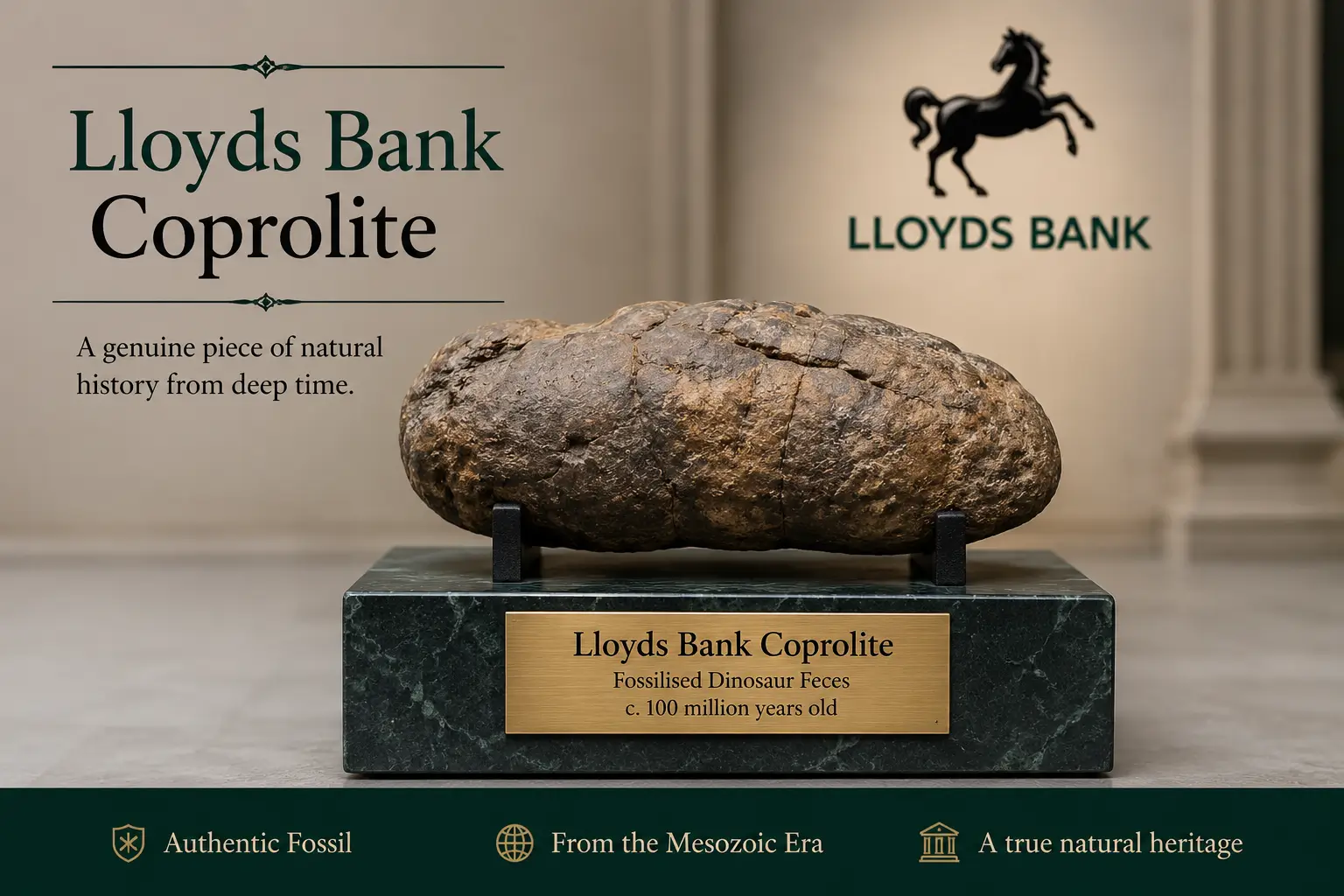
When people hear the term Lloyds Bank Coprolite, many assume it refers to a bank record, a historical document, or a forgotten financial mystery. The truth is much stranger and far more interesting.
This famous archaeological discovery has attracted attention from historians, archaeologists, and scientists around the world. Despite its unusual nature, it has provided valuable information about daily life during the Viking Age and remains one of the most talked-about artifacts ever discovered in the United Kingdom.
At Teche Advice – Daily Tech Updates, we enjoy exploring fascinating stories where science, history, and research come together. In this guide, you’ll learn what the Lloyds Bank Coprolite is, how it was discovered, why researchers consider it important, and what it reveals about life over 1,000 years ago.
It is a remarkably well-preserved fossilized human feces specimen discovered during archaeological excavations in York, England. Dating back to the Viking period around the 9th century, it became famous because of its size, condition, and the scientific information it provided about diet, health, and everyday life during medieval times.
While the subject may sound unusual, archaeologists consider it one of the most valuable biological discoveries ever recovered from a Viking settlement.
- It was discovered in York, England
- It dates back to the Viking Age
- It is one of the largest preserved human coprolites ever found
- Scientists used it to study the Viking diet and health
- It remains a famous archaeological artifact today
The story begins in York, one of England’s most important historical cities.
During the 1970s, archaeologists were excavating land where a new Lloyds Bank branch was being developed. The excavation uncovered numerous Viking-era remains beneath the modern city.
Researchers expected to find buildings, tools, and household objects. Instead, they discovered something very unusual buried within the ancient layers of soil.
That discovery later became known as the Lloyds Bank Coprolite.
Although it might not sound impressive at first, archaeologists immediately realized that the specimen was exceptionally well preserved.
Its condition allowed scientists to perform detailed analysis that would normally be impossible with artifacts over a thousand years old.
The name comes directly from the location where it was discovered.
The specimen was found during excavations conducted before construction work associated with a Lloyds Bank site in York.
The word “coprolite” refers to fossilized or preserved fecal matter.
When combined, the name simply identifies both:
- The discovery location
- The type of artifact
While unusual, the name has become famous within archaeology circles worldwide.
Many people wonder why scientists would spend time studying something like this.
The answer is simple: biological remains often reveal details that traditional artifacts cannot.
Ancient tools tell us what people used.
Buildings tell us where people lived.
But biological evidence tells us how people actually lived.
They helped researchers understand:
- Diet
- Nutrition
- Health conditions
- Parasite infections
- Daily habits
These insights provide a direct connection to real human life from over a millennium ago.
One of the most important discoveries involved food consumption.
Analysis showed evidence that the individual consumed a diet rich in:
- Meat
- Bread
- Cereals
- Plant material
Researchers found signs of grains and other food remains preserved within the specimen.
This information supported historical evidence suggesting that Viking communities in York had access to diverse food sources.
Unlike many assumptions about medieval diets, the findings indicated a relatively varied eating pattern.
The discovery helped paint a more complete picture of everyday Viking life.
The specimen also revealed information about health.
Scientists discovered evidence of intestinal parasites.
This was not surprising because sanitation systems during the Viking Age were extremely limited compared to modern standards.
Parasites were common in many ancient societies.
By studying preserved biological material, researchers gained insight into:
- Hygiene practices
- Disease exposure
- Public health conditions
This type of information is difficult to obtain through traditional archaeological artifacts alone.
The discovery became especially important because it came from York, one of the most significant Viking settlements in England.
During the Viking period, York was a major center for:
- Trade
- Craft production
- Transportation
- Political activity
Large populations lived within relatively crowded conditions.
They provided direct evidence about the daily experiences of ordinary people rather than elite rulers or warriors.
This makes the artifact valuable because it reflects real life rather than historical legends.
Modern archaeological science uses advanced techniques to study preserved materials.
Researchers can examine:
- Microscopic particles
- Organic remains
- Chemical traces
- Biological indicators
These methods allow scientists to reconstruct aspects of ancient lifestyles with surprising accuracy.
For example, tiny food fragments trapped within preserved samples can reveal dietary patterns from centuries ago.
This combination of archaeology and science continues improving our understanding of human history.
Not every archaeological discovery survives in excellent condition.
Most biological materials break down over time because of:
- Moisture
- Temperature changes
- Bacteria
- Environmental conditions
They survived because it remained protected within a stable underground environment.
This unusual preservation allowed researchers to study details that would normally disappear long before discovery.
Its condition is one reason it became internationally famous.
The discovery attracted significant media attention.
Although unusual, the artifact became a popular museum exhibit because it provides a unique connection to everyday history.
Visitors often find it memorable because it represents a side of the past that textbooks rarely discuss.
Rather than focusing only on kings, battles, or major events, it reminds people that ordinary individuals lived history through their everyday routines.
That perspective makes archaeological discoveries more relatable.
Several factors make the Lloyds Bank Coprolite stand out.
| Feature | Why It Matters |
| Exceptional Preservation | Allowed detailed scientific study |
| Viking Age Origin | Provides insight into medieval life |
| Large Size | Unusual among known discoveries |
| Biological Evidence | Reveals diet and health information |
| Historical Context | Connected to an important Viking settlement |
These combined factors explain why researchers continue discussing the artifact decades after its discovery.
Although the artifact itself is historical, modern technology played a major role in analyzing it.
Today’s researchers use:
- Microscopes
- Imaging systems
- Laboratory testing
- Digital documentation
These tools help scientists uncover details that earlier generations could never detect.
This is one reason the story fits well within a technology-focused publication like Teche Advice.
Technology continues transforming how we study and understand history.
Some people wonder whether discoveries from over a thousand years ago still matter.
The answer is yes.
Historical research helps us understand:
- Human development
- Public health evolution
- Cultural practices
- Daily life patterns
Even unusual discoveries can contribute valuable information.
Every artifact adds another piece to the larger story of human history.
The Lloyds Bank Coprolite is a perfect example of how seemingly ordinary evidence can reveal extraordinary insights.
The Lloyds Bank Coprolite is a preserved human feces specimen discovered in York, England, during archaeological excavations linked to a Lloyds Bank construction site. It dates back to the Viking Age.
It became famous because of its exceptional preservation, unusual size, and the valuable scientific information it provided about Viking diet, health, and daily life.
The artifact was discovered in York, England, during archaeological excavations conducted before development work on a Lloyds Bank location.
Researchers learned about Viking eating habits, nutrition, intestinal parasites, and living conditions through detailed scientific analysis of the preserved specimen.
The specimen is believed to date back to the Viking period, making it approximately 1,000 years old.
Coprolites provide direct evidence about ancient diets, health conditions, and everyday life that cannot always be obtained from tools, buildings, or written records.
The Lloyds Bank Coprolite may be one of the most unusual archaeological discoveries ever made, but it is also one of the most informative. By providing direct evidence about diet, health, and daily life during the Viking Age, it helped researchers better understand a period that continues to fascinate historians worldwide.
At Teche Advice – Daily Tech Updates, we believe the most interesting discoveries are often the ones people least expect. The story of the Lloyds Bank Coprolite proves that even the smallest details from the past can teach us something important about human history.